

Key Takeaways
- Utility work has inherent risks, demanding comprehensive safety measures for every crew member.
- Proper equipment and up-to-date safety training are essential for compliance and life-saving measures to minimize the serious hazards in utility settings.
- Following stringent industry regulations and nurturing a proactive, safety-driven culture can dramatically reduce the occurrence of work-related injuries and fatalities.
- Partnering with safety-focused suppliers ensures ongoing access to top-quality safety gear, resources, and industry expertise.
Utility operations are consistently ranked among the most dangerous professions, requiring workers to operate in some of the most unpredictable and high-risk environments found in the workforce. Hazards like high-voltage electrical currents, extreme heights, hazardous weather, and heavy machinery are frequently encountered, making the industry particularly vulnerable to accidents and injuries. For utility providers, it’s not just about meeting regulatory compliance but fulfilling a profound ethical responsibility for staff well-being. Access to effective safety solutions, backed up by experts at https://divergentalliance.com, is critical in reinforcing protections and reducing the risk of serious incidents. These solutions encompass specialized PPE, advanced monitoring technologies, and real-time communication systems tailored to the unique demands of utility work. Ongoing training and a culture of safety awareness further empower workers to make informed decisions in high-stress situations. Utility providers can significantly enhance operational safety and reliability by prioritizing preventative measures and rapid response protocols.
Understanding the Risks in Utility Operations
Utility workers routinely face threats that would be unacceptable in other industries, with three primary hazards at the forefront:
- Electrical shocks and arc flashes: Even experienced professionals are at substantial risk when working near energized lines, transformers, and switchgear. The consequences of accidental contact or equipment failure include burns, nerve damage, and even fatalities.
- Falls from heights: Performing maintenance, installation, or restoration atop utility poles, towers, and elevated platforms is inherently dangerous—one slip can have catastrophic results. Weather conditions, visibility, and the need for quick response during outages only increase the risk of falls.
- Physical injuries from machinery: Utility crews utilize heavy trucks, diggers, and specialized mechanical equipment in remote or irregular environments. From crushed limbs to repetitive trauma, these injuries underscore the importance of meticulous equipment handling and awareness.
According to the U.S. Bureau of Labor Statistics, the utility sector’s rate of job-related injury is substantially higher than that of many other industries. Acknowledging and understanding these threats is essential, as prevention always begins with robust risk identification and assessment.
Essential Safety Equipment for Utility Workers
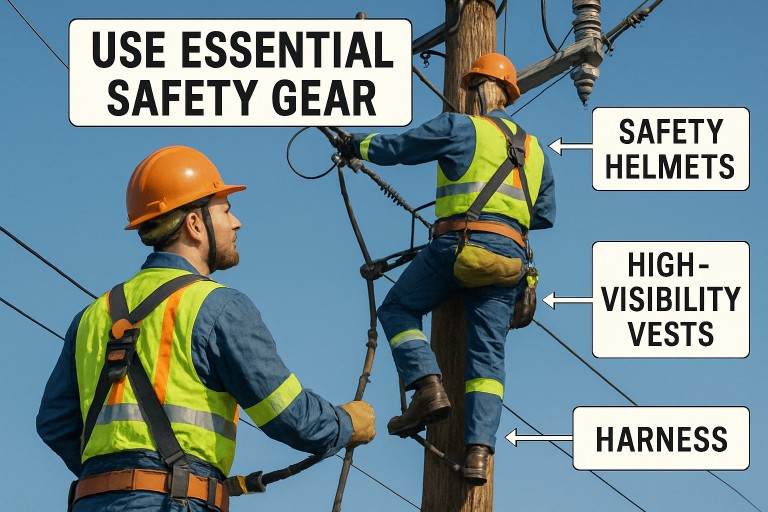
Investing in the highest-quality safety equipment is a non-negotiable necessity for minimizing risks and avoiding occupational injuries. Every member of a utility crew should be allocated and adequately trained in the use of the following equipment:
- Personal Protective Equipment (PPE): Hard hats, arc-rated and flame-resistant (AR/FR) clothing, safety goggles, and insulated gloves should be correctly rated for the specific task. This equipment is the first defense against electrical burns, arc flashes, falling debris, and sudden equipment malfunctions.
- Fall Protection Gear: Harnesses, lanyards, lifelines, and anchorage connectors must be selected based on the anticipated fall hazards and working heights. These are essential for compliance and peace of mind when working in elevated locations where a fall could be life-threatening.
- Insulated Tools: Wrenches, pliers, cable cutters, and screwdrivers designed and rated for use near live power sources decrease the risk of electrical shock or unintentional grounding.
- Grounding Equipment: Temporary protective grounds and detaching equipment are vital during line maintenance. They help crew members safely de-energize or isolate sections of the utility system, mitigating the risk of accidental energy backfeed.
All gear must be regularly inspected, maintained, and promptly replaced at the first sign of wear or damage. Overlooking or delaying inspection can undermine the most comprehensive safety programs and expose teams to avoidable hazards.
Implementing Comprehensive Safety Training Programs
Safety equipment can only go so far without thorough and continuous education. Well-developed safety training programs empower workers with knowledge and confidence in real-life scenarios. Key components should include:
- Hazard Recognition: Utility sites are dynamic by nature. Training should sharpen the ability to recognize new or changing risks such as shifting weather, altered job sites, or newly energized lines that can arise in minutes.
- Emergency Response: Drills, hands-on exercises, and scenario-based simulations should be performed regularly to prepare staff for electrical incidents, falls, severe weather events, or site-specific emergencies. Workers must be able to think fast, administer first aid, and act as first responders before medical help arrives.
- Correct Equipment Use: Continuous hands-on demonstrations and refresher courses ensure every utility worker understands the proper selection, donning, use, and maintenance of all safety gear. Training on specific brands and models may be necessary when equipment is updated.
Ongoing education is further supported by accessible digital resources, like the APPA Safety Manual, which offers the latest compliance information and detailed electric utilities safety procedures. Refresher sessions reaffirm best practices, reducing complacency and skill fade over time.
Adhering to Industry Standards and Regulations
Adherence to government and industry safety codes is far more than a bureaucratic requirement; these standards reflect hard-won lessons from past incidents and are designed to save lives. Agencies such as OSHA regularly revise protocols for PPE, fall protection, lockout/tagout, and safe operation of high-voltage systems to keep pace with emerging hazards and technologies.
- Proactive companies institute internal audits, encouraging leadership and frontline workers to participate in routine safety checks; third-party reviews further benchmark practices against the latest legal and technological standards.
- Active employee participation in safety committees or “safety champion” programs elevates awareness throughout the company, empowering individuals at every level to contribute to risk prevention and compliance.
Keeping policies updated and making standards part of daily routines helps companies minimize liability, maintain business continuity, and protect the well-being of their staff.
Fostering a Culture of Safety
While compliance, inspection, and ongoing training form the backbone of a robust safety program, cultivating an authentic “culture of safety” keeps utility crews vigilant and proactive on every job. Such a culture emphasizes that safety is everyone’s responsibility, every day. Some core components include:
- Visible Leadership: When supervisors, managers, and executives actively model safe practices and celebrate success stories, they inspire employees to adopt similar attitudes toward personal and team well-being.
- Open Communication: Safe workplaces provide straightforward channels to report hazards, near-misses, and safety suggestions without fear of reprisals, promoting transparency and trust.
- Continuous Improvement: Leveraging feedback from frontline staff, incident reports, and technological advancements allows companies to adapt, refine, and continuously elevate safety programs for greater results and fewer incidents over time.
By embedding safety as a core organizational value, utilities reduce accidents and associated costs, overcome complacency, and improve morale, placing the health of their workers and the integrity of the infrastructure front and center.
Conclusion
In the complex and challenging world of utility operations, safeguarding workers demands a holistic strategy that goes far beyond mere compliance. It requires investment in reliable, high-quality safety equipment, vigorous and ongoing education, relentless adherence to the highest industry standards, and most importantly a workplace culture where safety and accountability are ever-present. Utility providers committed to these pillars will not only enhance the protection of their teams but will also help ensure the uninterrupted service and reliability of our critical infrastructure. For access to industry-leading safety gear and expert support, organizations should consider partnerships with specialists who deliver tailored solutions that meet the demands of modern utility environments.
