

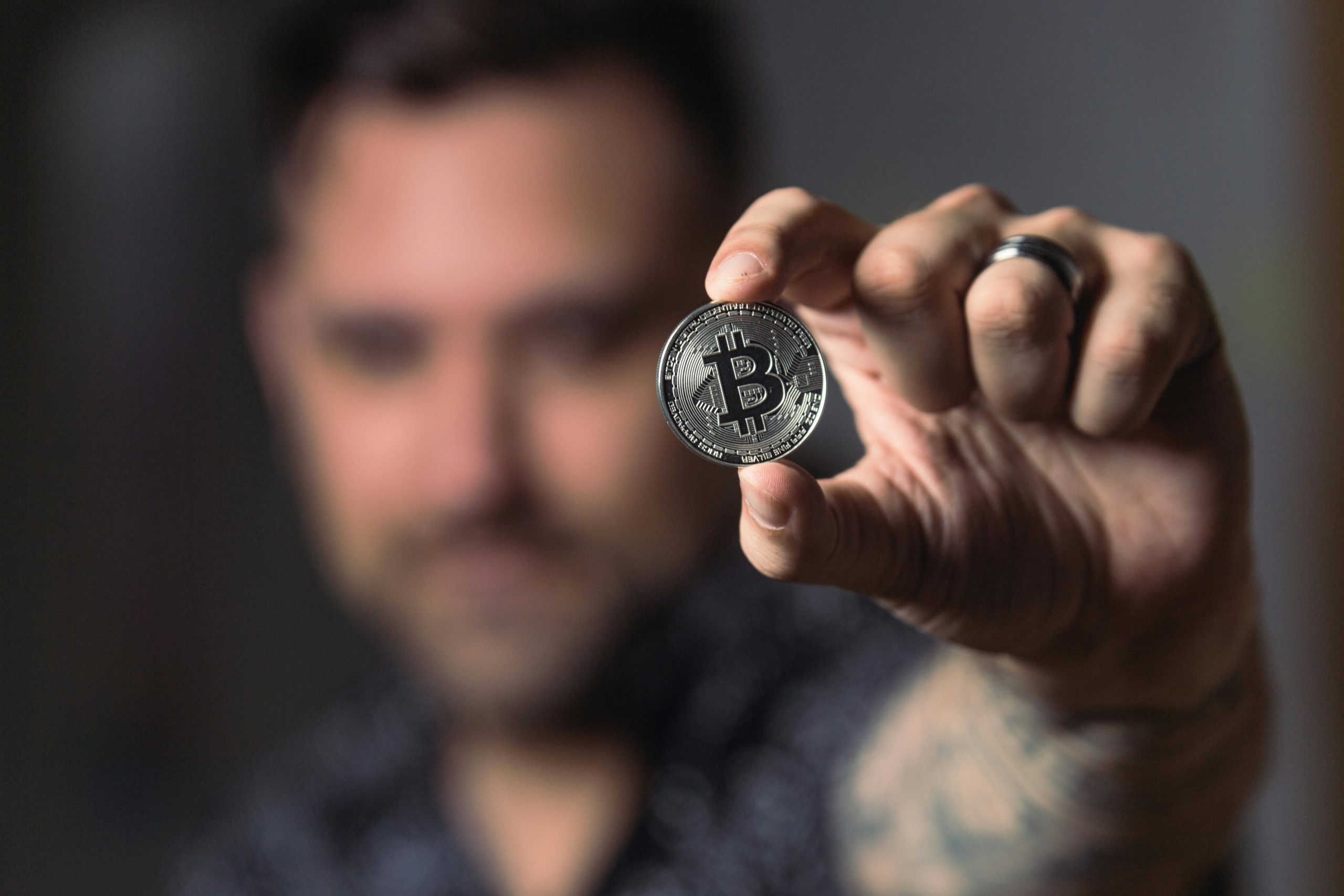
Bitcoin has a way of commanding attention. It moves, and the world looks up from its coffee, its spreadsheets, its weather app, to notice a new number flash into place. That number, today, is above $118,000. There is no error. This is the moment.
In a market legendary for its volatility, the current Bitcoin price is another story. Not a spike, but a rise. Steady, bullish, scary to some and thrilling to others. Bitcoin has gained more than 13 percent in the past six months. Along the way, it’s pierced resistance levels that previously seemed impenetrable. No matter if you’re a skeptic or a believer, the chart now deserves a second look.
Factors Driving the Current Bitcoin Rally
Several currents have come together to lift this tide. One is the natural halving cycle. Every few years, the reward miners receive for validating Bitcoin transactions gets cut in half. Fewer coins. Same hunger. Historically, this throttling of supply has preceded bullish runs. This year, it appears to be doing the same.
Another force is simple scarcity. With nearly 19.9 million Bitcoin already mined and a fixed cap of 21 million total, supply will not grow to match demand. Investors are watching institutional interest heat up as old-guard firms tiptoe into the space, less with fanfare and more with cold, precise allocation.
Meanwhile, macroeconomic conditions nudge retail investors toward Bitcoin again. In a world where interest rates remain uncertain and inflation talk refuses to die quietly, a borderless digital asset starts to look like a plan, or at the very least, a hedge.
Implications for Investors and the Financial Market
Price is never just price. It is sentiment. It is confidence. It is a signal.
For new investors, this surge feels like a door swinging open. Some see opportunity. Others see a trap disguised as a trend. Veteran traders know both might be right. The difference is timing. And temperament.
Bitcoin’s rise this time around is not unfolding in a vacuum. Broader financial markets are increasingly intertwined with digital assets. Funds once reserved for real estate or equity portfolios now flirt with cryptocurrency. Not as a gamble, but as a legitimate slice of modern strategy.
Of course, it is not just seasoned investors watching this climb. Newcomers, curious and cautious, hover on the edges. They do not want to miss the next big run. But they also remember 2022. And 2018. They remember the crash after the champagne. Even so, there is something magnetic about a price chart that curves upward with that kind of conviction.
Comparing Bitcoin’s Performance to Traditional Assets
Let us say the S&P 500 is your steady marathoner. Gold is your quiet, brooding prizefighter. Bonds are the reliable accountant who shows up to every family reunion in the same suit.
Bitcoin is none of these. It is more like the 2016 Cavaliers down 3–1 in the NBA Finals. The comeback is unlikely. Then it is happening. Then it is done.
Over the past six months, Bitcoin has outpaced many traditional assets. While equities have seen modest gains and commodities remain tangled in global uncertainty, Bitcoin’s trajectory has been both dramatic and unusually consistent. And this time, it is not just retail traders making the noise. The institutions are not mocking it anymore. They are mimicking it.
It no longer sits on the fringe. It shares space on the dashboards of investment advisors and makes its way into cocktail party conversations with fewer raised eyebrows than before.
Future Outlook: Sustainability of the Current Trend
So what happens now?
That question divides the room. Optimists point to momentum. They see a maturing asset class, evolving past its wild-child phase. They speak of adoption curves and shrinking volatility. They see a new floor forming, not just for the price, but for trust.
Skeptics raise a brow. They note the same thing they always have: Bitcoin is only worth what someone else will pay for it. There is no cash flow. No dividend. Only belief. And belief, in financial markets, is a funny thing. It can swell and shrink faster than any economic indicator.
What makes this moment different is not just the chart. It is the tone. The conversation has shifted. Central banks speak of digital currencies without flinching. Policy wonks include crypto in their vocabulary, albeit begrudgingly. The world is not just watching. It is adapting.
And for those entering the market now, it is less about chasing hype and more about positioning. The dreams are different now. Not of Lamborghinis and islands, but of resilience. Of having something that moves to a different rhythm than the old market song.
What This Means for the Average Person
For someone holding their first hundred dollars in Bitcoin, this price surge might feel surreal. Unreal, even. But it matters. Because when prices rise in public, people pay closer attention. They open their wallets. They talk to friends. They watch charts before bed.
This is how broader adoption begins. Not with a white paper, but with dinner table curiosity.
People wonder if they are too late. They are not. Not if they learn. Not if they listen. Not if they approach the market with both feet on the ground.
