

Key Takeaways
- Recurring mechanical or electrical issues often signal a lemon vehicle.
- Meticulously recording all service visits and communications strengthens your case if legal action becomes necessary.
- Familiarity with your state’s lemon laws is essential for securing the remedies you deserve.
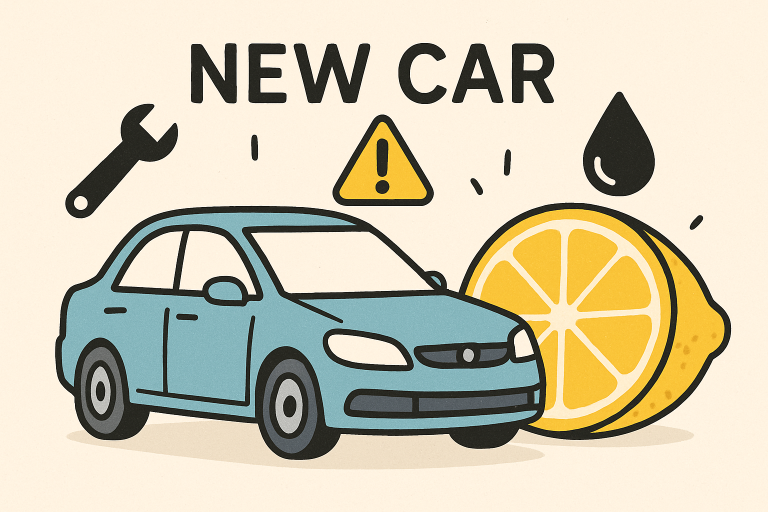
Purchasing a new car is meant to be a moment of pride and excitement. However, if your vehicle starts exhibiting the same troubling issues repeatedly, what should have been a dependable investment can quickly turn into a frustrating experience. The California lemon law attorneys of Timothy Abeel can be an essential resource when persistent problems arise, helping you understand your rights and the legal options available to you if your car turns out to be a lemon.
Identifying lemon indicators early on is crucial for minimizing the loss of time, money, and peace of mind. When defects continue even after several repair attempts, this persistence should never be ignored. Recognizing these early signs, maintaining thorough documentation, and knowing what action to take helps ensure you stay protected and increase your chances of resolving the issue efficiently.
Understanding these warning signs and your legal options empowers you to confidently address even complicated car issues. With the right approach and proper documentation, you can seek the assistance and compensation to which you are entitled under the law. Should you find yourself facing stubborn new car problems, thorough research and legal guidance can be the difference between a drawn-out hassle and a fair solution.
Frequent Repairs for the Same Issue
When your new car requires multiple attempts to fix the same mechanical problem, whether it’s engine stalling, transmission slipping, or recurring warning lights, this is often the most obvious sign you might have purchased a lemon. Many state lemon laws, such as California’s, specify that if a manufacturer or dealer cannot repair a warranty-covered defect after a reasonable number of attempts, the vehicle may qualify as a lemon. For example, repeated failures to fix a brake defect not only frustrate owners but may result in legal remedies under lemon laws. According to the New York City Bar Association, persistent and unresolved defects can strongly signal the presence of more serious design or manufacturing issues.
Extended Time in the Repair Shop
It is not merely the number of repairs, but also the total time your car spends at the dealership or repair shop that matters. In California, for instance, a car that is out of service for 30 cumulative days or more for warranty repairs within the first 18 months or 18,000 miles may be presumed to be a lemon. This extensive downtime dramatically reduces the benefit of owning a new car and can also impact the vehicle’s resale value. Extended repairs inconvenience the owner and signal that the manufacturer may not have a reliable solution.
Safety Concerns
If defects affect your vehicle’s safety, the urgency becomes more acute. Malfunctioning brakes, defective airbags, or problems with steering components are not just inconvenient; they can be life-threatening. If your mechanic is unable to resolve these defects, your car clearly poses unreasonable risks. Drivers should always prioritize safety and pursue solutions quickly to minimize risk to themselves and others on the road.
Unusual Noises and Vibrations
Odd sounds and vibrations that do not fade with repairs are a strong sign of underlying trouble. Problems within the suspension, transmission, or engine can manifest as grinding, clunking, or persistent rattling and can indicate a serious manufacturing defect. Because these symptoms may not always be present at the repair shop, consider capturing evidence with your phone and noting when and how the issue arises. Early intervention here can prevent further mechanical deterioration and bolster a potential lemon law claim.
Electrical Problems
Today’s vehicles feature highly integrated electronic systems that control everything from safety features to entertainment. Recurrent failure of the infotainment system, difficulty starting the car due to electronic faults, or unresponsive safety sensors often point to deeper issues. Consistent electrical malfunctions, especially those that disrupt essential driving functions, should be considered signs that your vehicle could be a lemon.
Fluid Leaks
Fluid leaks whether oil, coolant, transmission fluid, or brake fluid should never be ignored, especially in a new vehicle. Stubborn leaks that persist despite repeated repairs can indicate flawed parts or poor workmanship during manufacturing. Unchecked, they can cause engine failure, overheating, or brake loss, significantly compromising the vehicle’s dependability and safety.
Steps to Take If You Suspect Your Car Is a Lemon
- Document Everything:Maintain comprehensive records of each service visit, repair order, and correspondence with the dealer and manufacturer. This paper trail is vital if you need to escalate the dispute or pursue legal action.
- Understand Your State’s Lemon Laws:Every state has variations in lemon law provisions, eligibility, and remedies. Review your rights as soon as you suspect a recurring, significant issue has developed. Thorough knowledge of these laws provides leverage in negotiations or legal proceedings.
- Consult a Lemon Law Attorney:If issues persist, reach out to a qualified attorney who specializes in lemon law cases to help you achieve a fair settlement or replacement vehicle. Early legal consultation can help you avoid costly delays and mistakes.
Catching lemon symptoms quickly and acting with diligence can save car owners time, money, and stress. If you suspect your new car is showing warning signs, make recordkeeping a top priority, gain clarity on legal protections in your state, and don’t hesitate to seek expert advice. By staying proactive, you can ensure that your automotive investment is protected and reliable for years to come.
