

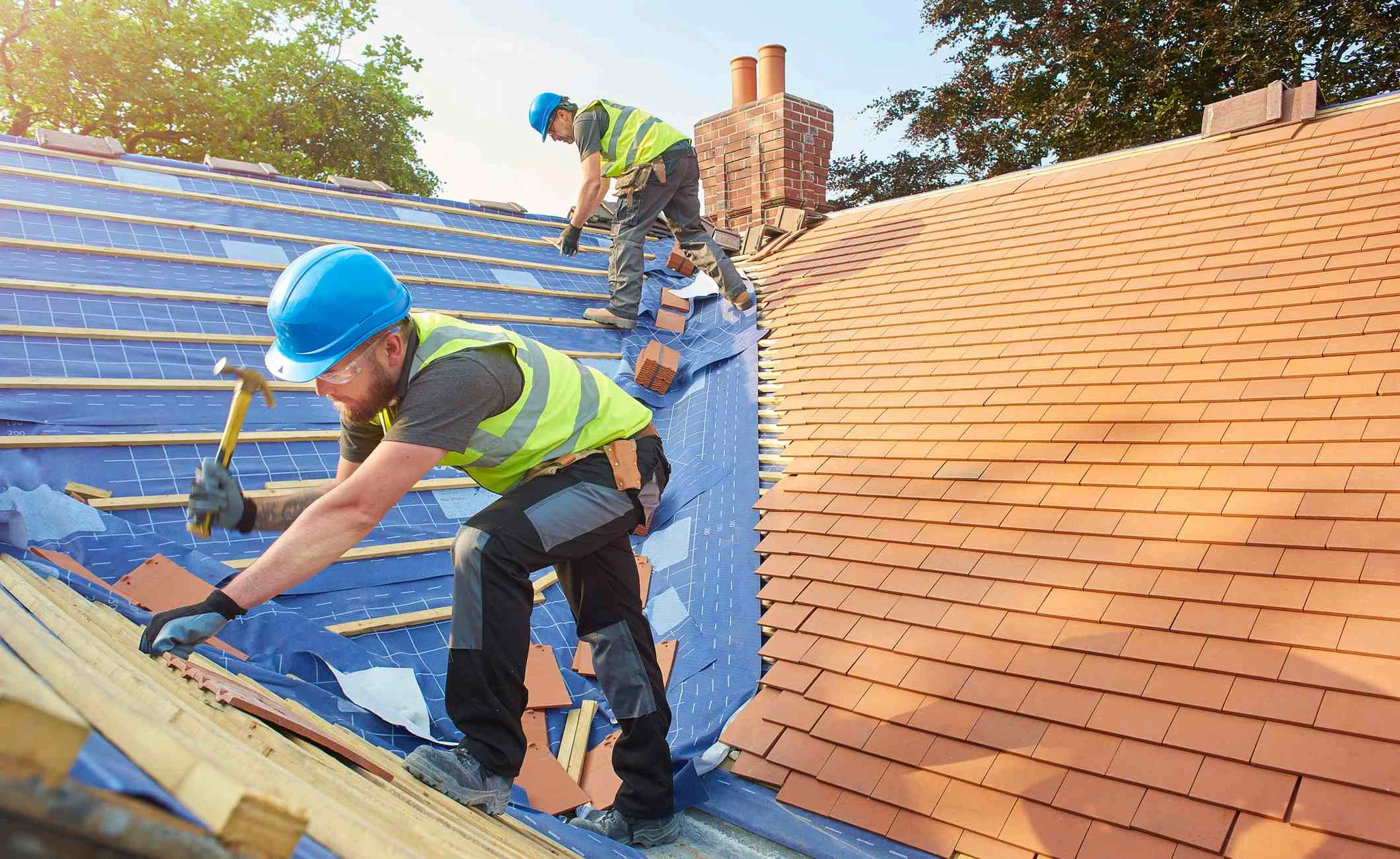
Selling a home often brings the roof under closer review than owners expect. Buyers, inspectors, lenders, and insurance providers may all raise questions about its age, condition, and repair history. Thoughtful planning helps sellers decide which improvements deserve attention before the property reaches the market.
Start with an Inspection Before Setting the Asking Price
A professional roof inspection gives the seller a clearer picture of existing wear, storm damage, flashing problems, and possible moisture concerns. Detailed findings also help separate cosmetic aging from defects that could interrupt a sale. Local Huntsville roofers can explain whether the roof needs routine maintenance, targeted repairs, or broader work.
Written documentation makes those findings easier to use during pricing discussions. Photos, measurements, repair notes, and estimated remaining service life can help a real estate agent judge how the roof may affect buyer interest. Sellers searching for roofing near me should look for a contractor who provides specific observations rather than a vague pass-or-fail opinion.
Decide Which Repairs Could Prevent Inspection Delays
Small defects can create larger concerns once a buyer’s inspector lists them in a report. Missing shingles, exposed fasteners, loose flashing, cracked vent boots, and damaged ridge caps may lead buyers to question the condition of the entire roofing system. Timely Huntsville roof repair can address those visible issues before they become negotiation points.
Early action also gives the seller more control over cost and scheduling. Repairs arranged before listing allow time to compare estimates, choose materials, and verify the finished work without pressure from a closing deadline. Last-minute service often limits options because the transaction depends on quick completion.
Consider How Roof Condition Shapes Buyer Confidence
Buyers often view the roof as a major financial responsibility because replacement can involve a significant expense. Clean documentation showing recent service, regular maintenance, or corrected damage can make the property feel better cared for. Clear answers may also reduce uncertainty during showings and contract discussions.
Visible neglect creates the opposite response. Sagging gutters, patchy shingles, stained fascia, or obvious repairs can make buyers assume hidden problems exist even when the roof remains functional. Huntsville roofers can identify improvements that strengthen presentation without recommending unnecessary work.
Compare Targeted Repairs with Full Replacement
Targeted repairs may make sense when damage remains limited and the surrounding roof still performs well. Replacing a few shingles, rebuilding flashing, or correcting a roof penetration can restore protection at a lower upfront cost. An experienced roof repair company should confirm that nearby materials are flexible, secure, and free from widespread moisture damage.
Complete roof replacement deserves consideration when wear appears across several slopes or when the roof is nearing the end of its service life. New materials may remove a major buyer concern, but replacement does not automatically produce an equal increase in sale price. Sellers should compare expected market impact, repair risk, available budget, and timing before choosing either option.
Review Whether the Roof Could Affect Insurance or Financing
Insurance companies may consider roof age, material type, visible wear, and prior claims when evaluating coverage. Older or heavily damaged roofs can create questions for buyers who need a policy before closing. Addressing known problems early may prevent the transaction from stalling while the buyer searches for acceptable coverage.
Lenders can also require repairs when an appraisal or inspection identifies conditions that affect habitability or property protection. Exposed decking, active leaks, or serious structural deterioration may need correction before financing moves forward. Homeowners looking for roof repair near me can ask whether the contractor regularly documents work for real estate transactions.
Use Repair Records to Make Disclosures More Complete
Receipts, warranties, inspection reports, and dated photos create a useful history of the roof. These records help sellers explain what work was completed, which materials were used, and whether any warranty may transfer to the next owner. Organized paperwork can reduce confusion when buyers ask about prior leaks or storm repairs.
Honest disclosure protects the transaction from avoidable disputes. Sellers should avoid describing a roof as “new” or “fully repaired” unless the documents support that claim. Accurate language allows buyers to evaluate the property based on known conditions rather than broad assurances.
Plan the Work Around Listing Photos and Showings
Exterior presentation matters because the roof occupies a large part of the home’s visible profile. Dark streaks, loose debris, damaged trim, or mismatched repair areas may stand out in listing photos even if they do not affect performance. Safe cleaning, gutter service, and minor exterior corrections can improve appearance without changing sound roofing materials.
Scheduling also affects daily access to the property. Roofing work may involve noise, vehicles, material deliveries, and temporary limits around driveways or entrances. Coordinating service before photography and open houses helps the home appear ready rather than actively under repair.
Choose Improvements That Match the Likely Sale Timeline
A seller planning to list soon may prioritize defects that could affect inspection results, buyer confidence, or closing requirements. Short-term decisions should still avoid temporary patches that fail during the transaction. Durable repairs with clear documentation usually provide more value than cosmetic work that leaves the source of the problem unresolved.
Fleming Roofing helps property owners evaluate roof conditions before a sale through residential inspections, targeted repairs, and complete roof replacement services. Its team can document current wear, explain the practical differences between repair and replacement, and help sellers choose roofing work that fits the home’s condition, budget, and expected listing schedule.
