

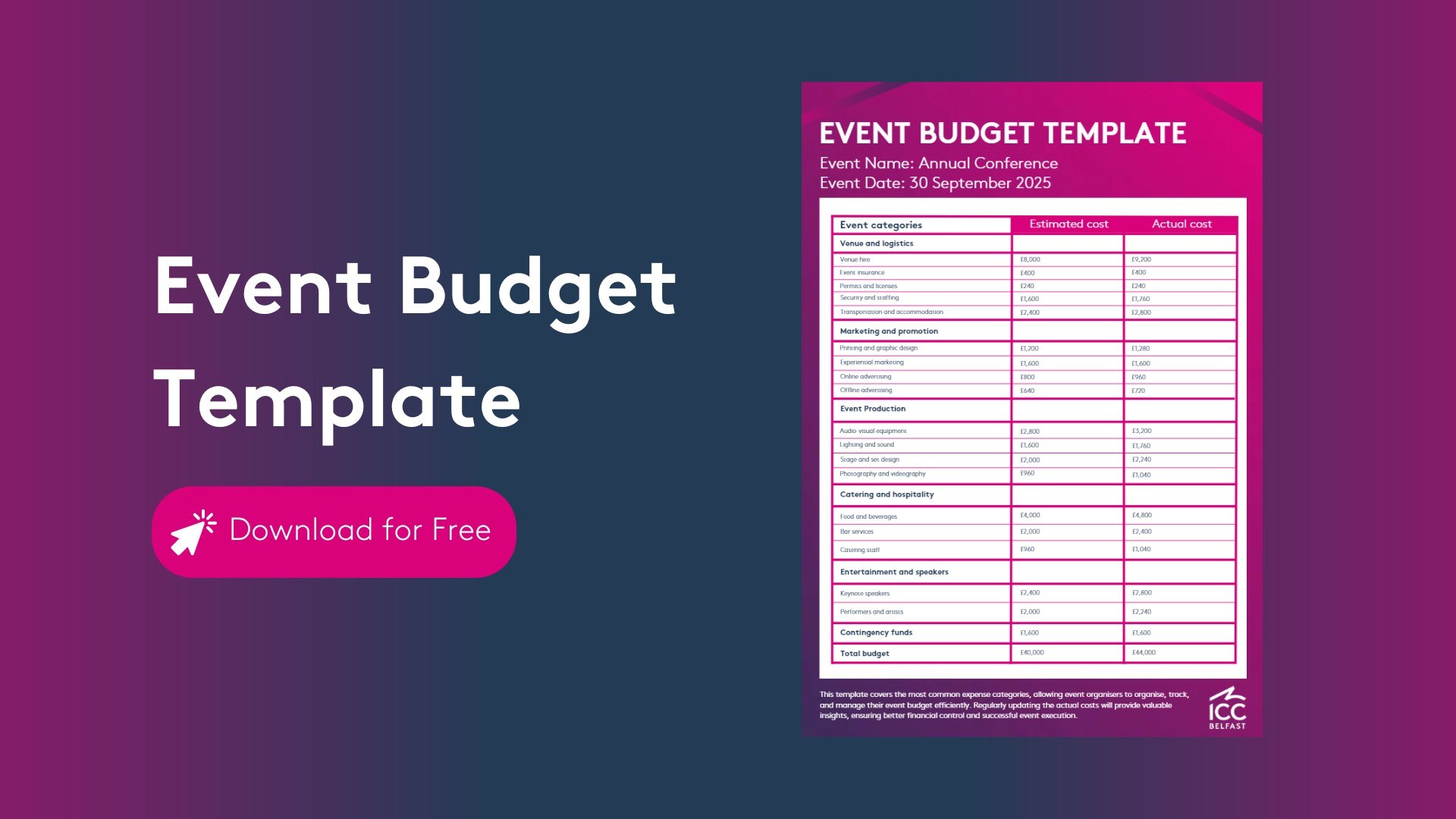
Budgeting for an event in 2025 isn’t just about crunching numbers; it’s about strategic planning in a rapidly evolving landscape. With rising costs, advanced technology needs, and growing expectations, getting your budget right can make or break your event.
Whether you’re organizing a corporate conference, wedding, or product launch, knowing where your budget should be allocated is crucial. In 2025, event planning demands more foresight, flexibility, and the right tools to stay on track.
This blog will guide you through everything you need to know, from factors influencing event budgeting to the various categories of event budgets. It will help you create a realistic and cost-saving event budget to deliver a successful event without financial surprises.
Key Factors That Influence Event Budgeting in 2025
1. Inflation and Rising Vendor Costs
One of the most significant challenges in 2025 is the ongoing impact of inflation on the prices of goods and services. From venue rentals to catering and transportation, prices have increased significantly across the board. Vendors are adjusting rates to account for increased labor, materials, and fuel costs.
As a result, event planners must be extra vigilant during the budgeting phase, obtaining multiple quotes and locking in prices early where possible.
- Advanced Technology Requirements (AR/VR, Hybrid Streaming)
Technology is at the heart of modern events, and in 2025, expectations have continued to grow. Whether you’re hosting a fully virtual experience or incorporating hybrid elements, tech costs can quickly add up.
From immersive AR/VR interactions to high-quality live streaming and remote audience engagement tools, the need for reliable, cutting-edge platforms is non-negotiable.
- Sustainability and Eco-friendly Expectations
Sustainability is no longer a nice-to-have—it’s a core requirement in 2025 event planning. Guests and sponsors are increasingly expecting eco-friendly practices, such as digital invitations, biodegradable materials, reduced food waste, and carbon offsetting.
These initiatives often come with a higher upfront cost, even if they offer long-term value or brand credibility.
- Insurance and Risk Management Post-pandemic
Post-pandemic, insurance and risk management have taken center stage in event planning. From health-related cancellations to weather disruptions, unforeseen events can significantly affect both finances and reputation.
Budgeting for an event now requires allocating funds for comprehensive coverage, including liability insurance, vendor non-performance, and even cybersecurity for virtual components.
Major Event Budget Categories to Consider
- Venue and Location Fees
Venue costs often consume a large portion of your budget. Prices vary based on location, size, amenities, and time of year. Consider hidden fees like security, cleaning, and parking. Booking early can help you lock in better rates and ensure availability, especially during peak seasons or popular event dates.
- Food and Beverages
Catering costs depend on guest count, menu style, and service level. Buffet, plated, or food truck options all impact pricing. Don’t forget extras like servers, bartenders, and dietary accommodations. Carefully estimate quantities to minimize waste while ensuring every guest receives a well-served experience—it’s a delicate balancing act that requires close attention.
- Entertainment or Speakers
Whether it’s a DJ, live band, keynote speaker, or panelists, entertainment is a critical factor in the overall experience. Fees vary by reputation and travel needs. Include tech support, hospitality, and rider requests in the budget. High-quality performances or thought leadership can greatly enhance your event’s credibility and overall attendee satisfaction.
- Event Technology
From audiovisual equipment to virtual platforms and stable Wi-Fi, technology is essential in 2025. Consider renting screens, microphones, lighting, or interactive displays. For hybrid or virtual formats, platforms with built-in engagement tools and support are must-haves. Many organizers also use tools like an online ticket maker to streamline entry.
- Marketing and Promotion
Promoting your event involves digital advertising, email campaigns, influencer partnerships, and content creation. Design and printing for physical materials may also apply. Allocate funds for paid ads on social platforms or Google. Tracking ROI is important—budget smarter by focusing on high-conversion channels that drive visibility and attendance.
- Staffing and Logistics
You’ll need reliable people for setup, registration, guest support, and cleanup. Costs may include hourly wages, uniforms, transportation, and accommodation (if working outside of town). Don’t underestimate staffing needs—understaffed events often result in poor guest experiences. Also factor in equipment rentals, signage placement, and transportation logistics for materials.
- Licenses, Permits, and Insurance
Legal and safety requirements can’t be ignored. Depending on your event type and location, you may need permits for sound, alcohol, or crowd control. Budget for liability insurance and vendor contracts. These costs protect you from legal or financial consequences and are essential for responsible, compliant event execution.
- Contingency Fund (10–20% of Total Budget)
Always allocate 10–20% of your total budget as a contingency fund. Unexpected expenses—from weather-related changes to last-minute AV rentals—are common. Having a cushion keeps your event running smoothly without panic or financial strain. A well-prepared buffer ensures you stay in control, even when plans unexpectedly shift.
How to Create a Realistic and Cost-Saving Event Budget?
1. Define Clear Objectives
Define the purpose, target audience, and scope of your event. Knowing what success looks like will help prioritize where to allocate funds and avoid overspending on elements that don’t align with your event’s core goals.
- Break Down Budget Categories
Divide your budget into clear categories, such as venue, catering, technology, and marketing. This allows better tracking and easier adjustments. Use spreadsheets or budgeting tools to monitor each segment and ensure no area is overlooked during the planning process.
- Gather Accurate Vendor Quotes
Reach out to multiple vendors for price comparisons. Always request detailed estimates to uncover hidden fees. Being transparent about your budget early can also lead to customized packages or discounted pricing tailored to your event’s needs.
- Plan for Hidden Costs
Always account for taxes, service charges, permits, tips, and overtime fees. These hidden costs can derail your budget if not anticipated. Having a line item for miscellaneous expenses helps keep your finances on track.
- Use Free and Low-Cost Tools
Utilize free project management software, digital invites, and promotional channels like social media. Affordable design tools and templates can also reduce your reliance on paid vendors for simple tasks, such as branding or guest communication.
- Prioritize What Matters Most
Focus your budget on high-impact elements, such as quality speakers or immersive experiences, that enhance attendee value and satisfaction. Reduce costs in areas that won’t affect the overall guest experience, such as printed materials or elaborate decor.
- Revisit and Revise Regularly
Review your budget frequently during planning. Update projections based on actual costs and upcoming decisions. Staying flexible allows you to shift funds when necessary, ensuring you stay within budget without compromising the quality of the event.
The Bottom Line
Planning an event in 2025 presents its own set of challenges, but with the right budgeting approach, it becomes easier to manage. From understanding rising costs and tech demands to creating a flexible, realistic budget, you’re better equipped to make smart, confident decisions.
Remember, budgeting isn’t just about cutting costs; it’s about maximizing value and creating memorable experiences without overspending. Keep your goals clear, review your budget often, and don’t underestimate the power of good planning.
Whether you’re organizing a small gathering or a large conference, a thoughtful budget is your most effective tool for ensuring event success.
