

Introduction
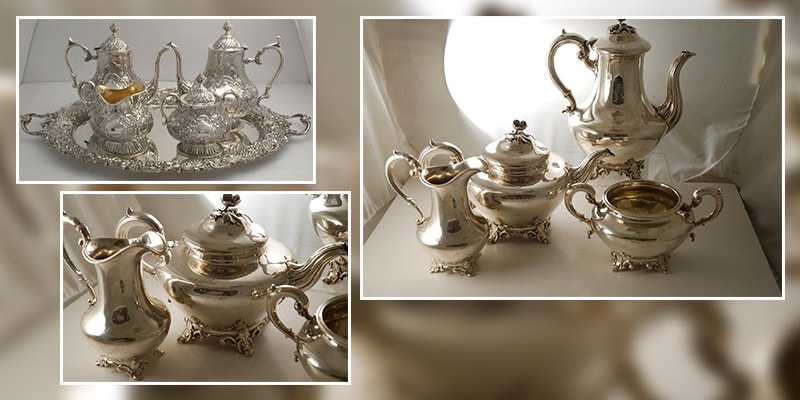
Antique silver tea sets are not just exquisite additions to any collection; they are also reflections of history, artistry, and craftsmanship. For those who appreciate classic tea traditions, an English afternoon tea set can complement the elegance of silverware and elevate your tea experience. Often passed down through generations, these elegant ensembles embody a bygone era of social gatherings and intricate tea rituals. With their shimmering surfaces and finely detailed designs, they hold a certain charm that captivates collectors and enthusiasts alike.
This guide aims to help both novice and experienced collectors understand how to identify genuine antique silver tea sets. We’ll delve into the rich history behind these remarkable pieces, explore the key characteristics that distinguish them from modern reproductions, and offer practical tips for assessing their authenticity. Whether you’re looking to enhance your collection or hoping to unearth a hidden treasure in your attic, this comprehensive guide will equip you with the knowledge you need to navigate the world of antique silver tea sets with confidence.
Prepare to embark on a journey through the elegance of silver craftsmanship, where each piece tells a story and holds the promise of timeless beauty.
Understanding Silver Types and Composition
When it comes to antique silver tea sets, understanding the different types of silver and their compositions is crucial for proper identification and evaluation. The term “silver” can encompass various alloys and fineness, each with its own significance in the world of collectibles. Below, we break down the most common types of silver you’ll encounter in antique tea sets, along with essential information regarding their composition and characteristics.
Sterling Silver
Sterling silver is the most recognized and sought-after type among collectors, primarily due to its exceptional quality and durability. By definition, sterling silver is an alloy that contains 92.5% pure silver, with the remaining 7.5% typically made up of copper or other metals to enhance its strength. Look for the hallmark “925” or “Sterling” stamped somewhere on the piece, which indicates that it meets this standard. Sterling silver tea sets often feature intricate designs and detailed craftsmanship, making them a prized find for collectors.
Coin Silver
Coin silver refers to silver made from older coins, primarily minted before the mid-19th century, which contained about 90% silver. Although coin silver was once a standard in American silver production, it is less common today. When examining a tea set labeled “Coin Silver,” check for the absence of a hallmark; instead, it may feature a maker’s mark indicative of its origin, often associated with American silversmiths. While it may not have the same value as sterling, genuine coin silver pieces are still highly collectible.
Britannia Silver
Britannia silver, which originated in Britain in the late 17th century, contains 95.8% pure silver—higher than the sterling standard. This alloy was created to promote better quality silver products, particularly during a period when silver coins were often debased. Pieces marked with “Britannia” or an image of the figure Britannia were manufactured before 1720, making them valuable antiques. Due to their higher silver content, Britannia silver items are usually more valuable than pieces made of sterling or coin silver.
Silver-Plated Items
It’s important to differentiate genuine silver from silver-plated items. Silver-plated tea sets are made from base metals—such as brass or copper—coated with a thin layer of silver. While beautifully crafted, these items do not hold the same value as their solid silver counterparts. Look for markings such as “EPNS” (Electroplated Nickel Silver) or “Silver Plate” which indicate the item is not solid silver. Although not as desirable as antique silver sets, well-made silver-plated pieces can still add elegance to your collection.
Tips for Assessing Composition
- Examine the Hallmarks: Always inspect for any stamps or markings that provide information on the silver type and manufacturer. A reputable silversmith will often include their maker’s mark, which can be traced back to specific time periods.
- Conduct a Magnet Test: True silver is not magnetic. If a piece is attracted to a magnet, it likely contains less silver and is more likely to be silver-plated or made of base metals.
- Check for Patina: Authentic antique silver develops a natural patina over time. If a piece looks overly polished or shiny, it may not be a genuine antique.
- Weight and Feel: Solid silver pieces tend to be heavier and feel more substantial than their plated counterparts. If the item feels surprisingly light, it could be a sign of inferior quality.
Key Elements of Antique Silver Tea Sets
Antique silver tea sets are not just functional dining pieces; they are also coveted collectibles that capture the elegance of a bygone era. When assessing an antique silver tea set, several key elements contribute to its overall appeal, authenticity, and value. Here, we explore the essential features to look for when identifying and appreciating these exquisite items.
- Design and Style
One of the most striking features of antique silver tea sets is their design. Styles can range from ornate and intricate engravings to simple and elegant lines. Common design movements to familiarize yourself with include:
- Georgian: Characterized by its graceful, refined shapes and often features engraved decorations.
- Victorian: Known for its elaborate embellishments, including floral motifs and intricate detailing, Victorian tea sets are often grand in appearance.
- Art Nouveau: Emphasizes organic shapes and flowing lines, frequently inspired by natural forms.
- Art Deco: Focuses on geometric designs and bold, streamlined shapes—an aesthetic that marked the transition into modernity.
Understanding these styles can help you verify the period of production and the cultural influences present in the pieces.
- Craftsmanship and Detailing
The quality of workmanship is a telling sign of an antique silver tea set’s value. Look for finely executed details such as:
- Engravings and Embossing: Delicate engravings can reveal both the expertise of the silversmith and the era in which it was made.
- Handles and Finials: Pay attention to the craftsmanship of the handles and lids. Hand-hammered or uniquely shaped handles are indicators of skilled artisanship.
- Matching Elements: A complete tea set typically includes a teapot, sugar bowl, cream jug, and sometimes a serving tray. Matching detailed designs across all pieces enhance their collectibility.
- Condition and Restoration
Assessing the condition of an antique silver tea set is crucial for collectors. Factors to consider include:
- Dents and Scratches: While some minor wear adds character, significant damages can affect value. Dents or deep scratches may require professional restoration.
- Restorations or Repairs: If a piece has been repaired or restored, it’s important to know how it was done and whether the repairs are reversible. Documentation of any restoration can add to a set’s provenance.
- Provenance and History
The story behind an antique silver tea set can significantly impact its value. Provenance refers to the documented history of the piece, including previous ownership. Items with notable backgrounds—such as being part of a royal collection or owned by a historical figure—command higher prices. Collectors should seek documentation, such as receipts or certificates, to reinforce the set’s history.
- Hallmarks and Markings
As mentioned earlier, hallmarks are crucial indicators of authenticity and origin. Familiarize yourself with common hallmarks to distinguish between reputable makers and lesser-known silversmiths. A prominent maker’s mark can boost the collectible value and help establish the age of the set. Checking reference guides can assist in identifying these marks.
Hallmarks and Maker’s Marks
When it comes to antique silver tea sets, hallmarks and maker’s marks serve as vital tools for identification and appraisal. These stamps provide insight into the age, origin, and authenticity of silverware, making them indispensable for collectors. Understanding these marks can enhance your appreciation of the craftsmanship and history behind each piece.
What are Hallmarks?
Hallmarks are official marks that indicate the purity of the silver and the place of origin. In many countries, such as England and the United States, specific standards dictate the minimum silver content required for a piece to be classified as silver. For instance, in the UK, the standard hallmark for sterling silver is “925,” meaning it contains 92.5% pure silver. Other elements in the alloy can influence the overall quality, so it’s important to familiarize yourself with various marks to assess a piece accurately.
Understanding Maker’s Marks
Maker’s marks are unique stamps placed on silver items by the artisans or companies that created them. These marks can include the initials of the silversmith or a specific symbol representing the manufacturer. Many renowned silversmiths and firms have distinctive marks that are recognized within the collector’s community. Well-known makers like Tiffany & Co., Gorham, and Reed & Barton not only signify quality craftsmanship but also enhance the collectible value due to their historical importance.
The Importance of Recognizing Hallmarks and Maker’s Marks
- Authenticity: Knowing how to identify genuine hallmarks can help verify the authenticity of a piece, safeguarding collectors from forgeries or misrepresented items.
- Appraisal and Value Assessment: Recognizing prominent maker’s marks often relates directly to the item’s value. Items created by renowned silversmiths are usually sought after and may command higher prices at auction or resale.
- Historical Context: Hallmarks and maker’s marks not only serve a functional purpose; they also tell a story about the piece’s background. By identifying these marks, collectors can often trace the origins and historical relevance of the tea set, enriching their understanding of its place within art and culture.
Common Hallmarks to Know
- British Hallmarks: British silver is often stamped with a series of marks, including the standard mark (indicating purity), the city where the piece was made, the date letter, and the maker’s mark. The combination of these marks provides a comprehensive history of the piece.
- American Silver Marks: In the United States, while there is no centralized hallmarking system, many major manufacturers have their own unique marks. Understanding these symbols can help in identifying pieces from prominent American silversmiths.
- European Markings: Various countries in Europe have their own hallmarking systems. For example, French silver typically includes an “eagle” head indicating its authenticity and then a series of additional marks indicating the date and maker.
The Role of Patina and Condition
When it comes to antique silver tea sets, patina and condition are crucial factors that significantly influence both aesthetic appeal and value. Understanding the role of these elements is essential for collectors, whether they are budding enthusiasts or seasoned connoisseurs.
Understanding Patina
Patina refers to the natural layer of oxidation that develops on silver over time. This process occurs as the metal interacts with air, moisture, and environmental factors, leading to a distinct change in appearance. Many collectors appreciate a well-developed patina for several reasons:
- Aesthetic Appeal: A rich, tarnished patina can enhance the beauty of a silver tea set, adding character and depth to its surface. The soft, muted tones often create a more inviting and honorable impression, reflecting the piece’s age and storied history.
- Historical Significance: A piece with an untouched patina can convey its age and authenticity. It acts as a visual testament to time, suggesting that the item has endured and been cherished through generations. Retaining a natural patina often makes an antique piece more desirable to collectors who value its historical narrative.
Condition Considerations
While patina can be viewed positively, the overall condition of a silver tea set is equally important. Collectors need to evaluate the following aspects:
- Structural Integrity: Ensure that all components of the tea set—such as teapots, creamers, and sugar bowls—are intact and functional. Broken or repaired items can significantly reduce the value of the set, though skilled restorations can sometimes mitigate this effect.
- Surface Damage: Look for scratches, dents, or uneven wear, which can impact both the visual appeal and value of the piece. Some collectors prefer items with minor signs of use, known as ‘character,’ while others seek pristine condition.
- Functional Elements: Ensure that any functional parts, such as lids or pourers, are operational. A tea set that cannot be used as intended may have diminished appeal to collectors who appreciate functionality alongside aesthetics.
Maintaining Patina
For collectors who prefer a specific look, particularly that of a well-established patina, it’s essential to understand how to maintain it. Regular cleaning with suitable products can help prevent excessive tarnish, but over-polishing can strip away layers of patina. Many collectors recommend using a soft cloth to gently clean the surface, preserving the natural sheen without compromising the character of the silver.
Researching Provenance and History
When it comes to antique silver tea sets, understanding their provenance and history can profoundly enhance their appeal and value. Provenance refers to the documented history of an item, including its creation, ownership, and any significant events associated with it. For collectors, tracing the lineage of a silver tea set not only confirms its authenticity but also allows for a richer appreciation of its story and significance.
The Importance of Provenance
Provenance serves as a vital tool in distinguishing genuine antiques from reproductions. A clear and well-documented history can significantly increase the value of a piece. Items with notable previous owners, such as historical figures or families of distinction, often command higher prices in the collectibles market. Furthermore, documented ownership can help provide context regarding the craftsmanship, style, and period of the tea set, adding layers of intrigue and value.
How to Research Provenance
- Documentation: Start with any available paperwork or certificates of authenticity that accompany the set. Personal letters, invoices, or photographs can serve as tangible links to its past. Examination of these documents can offer insights into the maker, date of production, and previous ownership.
- Maker’s Marks: Familiarize yourself with the marking system used by silver manufacturers. Commonly found on the base or under the lid of each piece, these marks can help identify the artisan or manufacturer responsible for creating the tea set, in turn allowing further research into the company’s history and the item’s likely era.
- Historical Resources: Libraries, museums, and online resources can be invaluable for historical research. Look for books on antique silver, articles related to specific manufacturers, or databases that track the ownership of notable pieces. Auction houses often feature historical narratives alongside their listings, which can provide clues about past ownership and valuation.
- Networking with Experts: Engaging with collectors, appraisers, or antique dealers can provide insider knowledge on both particular pieces of silverware and broader market trends. Joining antique groups or forums can also facilitate connections that could lead to uncovering more about your set’s history.
- Family History: If the tea set has been passed down through generations, consider speaking to family members or reviewing family archives to gather stories or documentation relevant to the set’s history. These personal anecdotes can enrich one’s appreciation and connection to the item.
Linking History to Value
Collecting is often about more than just owning beautiful pieces; it’s about preserving histories and stories. A silver tea set that comes with a rich narrative—such as its place in high-society gatherings, or its role in a notable family’s celebrations—offers depth and personal significance beyond mere aesthetics. This narrative can become a unique selling point for collectors looking to appreciate the set not just as an object but as a living artifact.
Tips for Verifying Authenticity
When it comes to antique silver tea sets, verifying authenticity is essential for both collectors and enthusiasts. Knowing whether a piece is genuine can significantly impact its value, aesthetic appreciation, and historical significance. Here are some effective tips to ensure you authenticate your silver tea set accurately:
- Identify Hallmarks and Marks
One of the primary ways to ascertain the authenticity of a silver tea set is through hallmarks. Hallmarks are stamps that indicate the maker, the silver quality, and sometimes the country of origin. Take the time to familiarize yourself with:
- Maker’s Marks: Look for the specific emblem or initials used by the manufacturer. Research reputable silver manufacturers and their associated marks to compare with your piece.
- Quality Marks: In many countries, silver must be a certain purity level to be classified as such (e.g., sterling silver, which is 92.5% pure). Marks such as “925” or “Sterling” are indicators of genuine silver.
- Conduct a Magnet Test
Another straightforward method to check for authenticity involves using a magnet. Silver is not magnetic, so if your tea set sticks to a magnet, it may contain another metal. This test isn’t foolproof, as some alloys may not react to magnets with pure silver. However, it provides a quick initial check.
- Examine Weight and Feel
The weight of a silver tea set can also be indicative of its authenticity. Genuine silver is denser than most metals used in imitation or plated pieces. If the item feels unexpectedly light or flimsy compared to similar items, it may not be solid silver. Carrying out comparative weight tests with known genuine items can give useful insights.
- Check for Quality of Craftsmanship
Authentic silver tea sets reflect a high level of craftsmanship. Look carefully at the details:
- Finishing: Examine the solder joints, seams, and overall construction. High-quality pieces will have smooth joints with no signs of sloppy assembly.
- Engravings and Design: Authentic pieces often feature intricate engraving or intricate designs that show substantial attention to detail.
- Seek Professional Appraisal
If you’re still uncertain about the authenticity of your silver tea set, consider consulting a professional appraiser. Experts in antique silver can provide invaluable insights, identifying key attributes and verifying origin based on their extensive knowledge and experience.
- Research Provenance
Gathering information about the tea set’s previous ownership can also assist in verifying authenticity. Pieces with documented provenance from reputable sources are more likely to be genuine. Try to obtain any certification or documentation associated with the item, as it can add value and legitimacy.
- Look for Signs of Aging
Authentic antique silver tea sets show signs of aging and wear that counterfeit items may lack. Check for:
- Patina: Genuine silver develops a natural patina over time, which adds to its character and authenticity. While some collectors prefer a polished look, an unpolished piece tells a story of its history.
- Wear Patterns: Signs of use, such as minor scratches or signs of polishing, can indicate a real item that has been loved and used, rather than a reproduction that hasn’t stood the test of time.
Caring for and Preserving Antique Silver Tea Sets
Antique silver tea sets are not just functional pieces of cookware; they carry stories and histories that connect us to the past. Proper care and preservation are essential to maintain their beauty and integrity over time. Here are some best practices for ensuring your antique silver tea sets remain in excellent condition:
- Regular Cleaning
Regular cleaning is crucial to prevent tarnish build-up, which can dull the silver’s shine. Here’s how to effectively clean your silver pieces:
- Gentle Cleaning Solutions: Use a mild dish soap mixed with warm water to soak the pieces gently. Avoid harsh chemicals or abrasive sponges that can scratch the surface.
- Soft Cloths: Use a soft, lint-free cloth for drying and polishing. Microfiber cloths work well for this purpose, as they won’t leave behind fibers or scratches.
- Avoiding Abrasives: When polishing, make sure to use non-abrasive silver polish that is safe for antiques. Apply sparingly and follow the manufacturer’s instructions carefully.
- Handling and Usage Tips
When using your antique silver tea set, treat it with care to preserve its condition:
- Use Carefully: Always handle the pieces gently. Avoid applying excessive force when pouring or handling the teapot and serving dishes, as this can cause inherent weaknesses to become pronounced over time.
- Limit Exposure to Foods: Acidic or salty foods can tarnish silver. If serving food in your antique tea set, ensure that serving times are limited, and then clean immediately after use.
- Proper Storage
When not in use, how you store your silver tea set can significantly affect its longevity:
- Use Anti-Tarnish Materials: Store your tea sets in anti-tarnish cloths or bags. Special silverware chests or drawers lined with anti-tarnish fabric are great for prolonged protection.
- Keep Them Dry: Moist environments can accelerate tarnishing. Store your silver in a cool, dry place, away from direct sunlight and humidity.
- Addressing Tarnish Promptly
If tarnish appears, it’s crucial to address it quickly to prevent it from becoming deeply ingrained in the silver:
- Regular Inspections: Periodically check your tea set for any signs of tarnishing or wear. Early intervention can make the cleaning process easier and quicker.
- Gentle Removal: For light tarnish, a simple polishing with a soft cloth may suffice. For heavier tarnishing, opt for safe polishing agents following the manufacturer’s instructions closely.
- Professional Restoration and Appraisal
For inherited or particularly valuable tea sets, consider having them appraised or restored by a professional:
- Expert Care: Professionals can provide services like polishing, structural repairs, or even re-soldering joints, ensuring your pieces are handled with the utmost care.
- Insurance Appraisals: If your collection holds significant financial value, an appraisal for insurance purposes might be beneficial to ensure your antique silver pieces are protected against loss or damage.
Conclusion
Collecting antique silver tea sets is not just a venture into acquiring exquisite pieces of art, but also an exploration of history and craftsmanship. Whether you are a novice or a seasoned collector, understanding the nuances of these beautiful items is essential for making informed purchasing decisions.
From identifying quality workmanship and assessing condition to delving into the provenance of each piece and recognizing important hallmarks, every aspect contributes to the allure and value of a silver tea set. Paying attention to details can not only enhance your collection but also ensure that you appreciate the rich stories these items carry.
As you embark on your collecting journey, remember that each antique silver tea set has its unique narrative, reflecting the artistry of its era and the skill of its creator. Embrace the learning process, cherish your discoveries, and relish in the fine art of collecting—your passion for these timeless treasures will only grow as you delve deeper into the captivating world of antique silver.
