

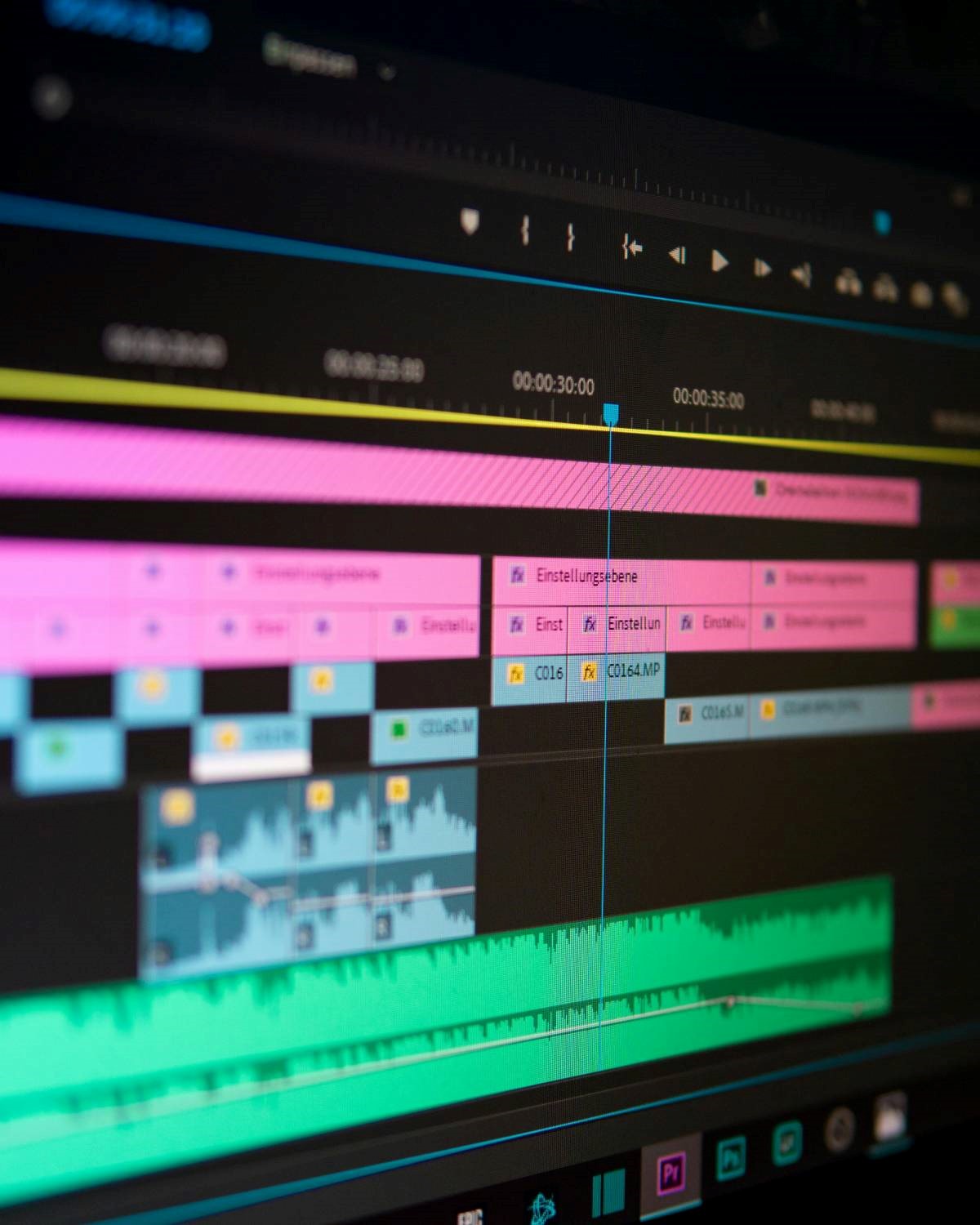
Short-form video has changed the way brands think about editing. In a feed-based environment, content has only seconds to establish momentum, communicate value, and convince the viewer not to scroll away. This puts enormous pressure on structure. Every cut matters, every transition matters, and every second of hesitation can weaken performance. In that context, music is far more than an atmospheric layer. It is one of the most practical tools editors have for making short videos feel smoother, sharper, and more watchable.
Many creators and marketing teams still think about music mainly in terms of mood. They ask whether a track feels energetic, trendy, emotional, or premium. That is important, but it is only part of the picture. In short-form editing, music also performs structural work. It helps disguise cuts, creates continuity between unrelated shots, sets the viewer’s expectation of pacing, and gives the entire piece a rhythm that is easier to follow. When done well, it improves not only aesthetic quality but also retention.
That matters because short-form content is judged instantly. A slightly awkward edit may not be consciously noticed, but it is often felt. The result is a subtle loss of trust, attention, or momentum. Music helps close that gap between technical editing and perceived fluency.
Why short-form video feels unforgiving
Traditional long-form video gives editors more room to build atmosphere gradually. A short-form video rarely offers that luxury. Whether the format is an ad, a Reel, a TikTok, a YouTube Short, or a product clip for paid distribution, the edit has to establish a coherent sensory experience almost immediately.
This is difficult because short-form content often relies on dense visual construction. Editors may be combining product shots, lifestyle clips, text overlays, interface recordings, motion graphics, testimonials, and calls to action within a very limited window. The footage may come from different sources, with different lighting, frame rates, or levels of polish. In many cases, the visual material is not naturally cohesive. It becomes cohesive only through editing.
Music is often the element that makes this possible. It provides a backbone strong enough to connect shots that might otherwise feel abrupt or disconnected. Even when the viewer notices the cuts, they are more likely to experience them as intentional rather than clumsy if the soundtrack gives them a clear rhythm to follow.
This is one of the key reasons short-form content often feels better when the music choice is strong, even if the raw footage itself is relatively simple.
How music helps hide cuts
One of the most direct editing benefits of music is that it softens the perception of cuts. A cut becomes easier to accept when it lands inside a rhythmic structure. The viewer’s attention is guided by the soundtrack, so the visual change feels synchronized rather than disruptive.
This does not require every cut to land exactly on a beat. In fact, overly literal synchronization can become repetitive and predictable. What matters more is that the broader edit feels musically aware. Transitions should respect the momentum of the track, the placement of accents, and the emotional shape of the sound. When this happens, even aggressive editing can feel smooth.
This is especially useful when the footage includes unavoidable imperfections. Maybe two shots do not match perfectly in movement. Maybe a sequence needs to be shortened in a way that creates a sharper jump than ideal. Maybe multiple angles have to be stitched together to create more energy than the original footage naturally contains. Music can reduce the visibility of those seams by giving the viewer something larger to hold on to than the cut itself.
Editors have always understood this instinctively, but in short-form content it becomes even more critical because there is so little time to recover from visual friction.
Flow matters more than polish alone
A highly polished video can still perform poorly if it does not flow well. This is one of the reasons some expensive short-form assets underdeliver while simpler ones perform surprisingly strongly. Viewers respond not only to production value, but to movement. They stay with content that feels easy to experience.
Music shapes that ease. It tells the viewer how fast the video is moving, when to expect shifts, and how the emotional energy is developing. Without that structure, short-form content can feel like a sequence of disconnected images rather than a continuous message.
Flow is especially important in videos built around fast edits. The more cuts a piece contains, the more it depends on a unifying rhythm. Otherwise, speed starts to feel like noise. Music prevents this by converting speed into pattern. Instead of perceiving many separate cuts, the viewer perceives one coherent motion.
For brands, this has strategic implications. A short video that flows well feels more professional, more intentional, and more aligned with contemporary viewing habits. It is not just easier to watch. It is easier to trust.
Why watch time is connected to rhythm
Watch time is often discussed in terms of hooks, captions, thumbnails, or opening frames. All of those matter, but rhythm plays a deeper role than many brands assume. People continue watching when a piece of content gives them a sense of forward movement. They need to feel that something is unfolding, even over a span of just a few seconds.
Music helps create this forward movement. A track with clear progression encourages the viewer to stay through the next transition, then the next, then the next. It creates anticipation. Even subtle shifts in tension, instrumentation, or energy can make a clip feel like it is going somewhere. That feeling supports retention because it reduces the temptation to abandon the video midstream.
This does not mean every short-form video needs intense, fast-paced music. The right rhythm depends on the message and the brand. A luxury product clip may need controlled elegance rather than constant propulsion. A wellness brand may benefit from softness and calm. A tech ad may need momentum without chaos. In each case, the soundtrack should support watch time by aligning pacing with expectation.
When the rhythm feels wrong, viewers often leave before they have consciously decided why.
Music can create confidence in mixed-source content
A large amount of short-form brand content is built from mixed-source material. This may include stock footage, user-generated clips, founder videos, product renders, testimonials, motion graphics, and previous campaign assets cut together into one short piece. That creates a challenge because visual consistency is harder to maintain.
Music helps compensate for this by creating emotional continuity across the entire sequence. Even when the visuals differ in texture or origin, the soundtrack can make them feel like parts of the same message. This is particularly useful for performance marketing teams, content studios, and in-house editors working at speed. They often need to produce many assets from uneven source material, and music becomes one of the strongest tools for making those assets feel unified.
In this sense, sound is not only supporting storytelling. It is supporting production efficiency. A smart track choice can raise the perceived quality of an edit without requiring more footage, more graphics, or more revisions.
Pacing should match the brand, not just the platform
One of the biggest mistakes in short-form content is assuming that every platform rewards the same type of energy. Because TikTok, Reels, and Shorts are associated with speed, brands sometimes default to hyperactive editing and overly aggressive music even when that tone does not fit their identity.
That approach may create movement, but it can also weaken brand perception. A premium brand can lose elegance. A B2B company can lose credibility. A wellness brand can lose calm. The point of music in short-form editing is not merely to create stimulation. It is to create the right form of movement for the brand.
This requires more strategic selection. Editors should ask not only whether the track feels engaging, but whether it makes the brand sound and move in the right way. A strong short-form soundtrack should fit both the platform logic and the brand’s broader communication style.
That is one reason access to adaptable, commercially usable music matters. Brands need sound choices that can work across formats without forcing them into generic platform aesthetics. Libraries such as Closer Music can help support this by offering tracks that fit contemporary editing needs while still allowing for a more distinctive brand feel.
The best short-form edits feel inevitable
When short-form editing works at a high level, the viewer rarely thinks about the mechanics. The cuts feel natural, the sequence feels cohesive, and the video seems to move exactly as it should. That impression of inevitability is often what separates average short content from content that holds attention and performs well.
Music contributes heavily to that effect. It makes timing feel justified. It gives transitions emotional logic. It helps the editor shape not only what the viewer sees, but how they move through seeing it. This is why even small changes in soundtrack can completely alter the perceived quality of a short-form video.
A track that is slightly too busy may make the edit feel crowded. A track that is too flat may make the content feel slow. A track that is rhythmically clear, emotionally aligned, and well-matched to the pacing of the visuals can turn a basic sequence into something far more compelling.
In a content environment where audiences make split-second decisions, those differences matter.
Editing for silence is different from editing for music
It is also worth noting that videos edited without a strong sense of music often reveal their weakness as soon as sound is added. The transitions may no longer feel natural. The pacing may seem uneven. The emotional arc may feel underdeveloped. This happens because editing in silence and editing with music are fundamentally different processes.
When music is considered early, it helps shape timing from the start. The edit can breathe with the soundtrack instead of merely sitting on top of it. Even if the final mix changes later, the initial rhythm of the video tends to be stronger. The content feels more integrated because the structure was built with sound in mind.
For brands producing short-form content at scale, this is a useful discipline. Music should not be treated as a final decorative layer. It should be part of the editing logic from the beginning.
Final thoughts
Music plays a practical and often underestimated role in short-form video editing. It helps hide cuts, improve continuity, support pacing, and increase watch time by making the content feel more fluid and intentional. In short formats, where every second matters and every moment of friction can weaken performance, that role becomes even more important.
The strongest short-form videos are not always the ones with the most dramatic visuals or the biggest budgets. They are often the ones that move with confidence. They feel coherent, easy to follow, and emotionally clear from the first seconds to the last. Music is one of the main reasons that happens.
For brands, creators, and editors, this means sound deserves more strategic attention. It is not just about choosing a track that feels modern or appealing. It is about using music as an editing tool that improves the structure and watchability of the content itself. When that happens, short-form video stops feeling like a sequence of cuts and starts feeling like a complete experience.
