

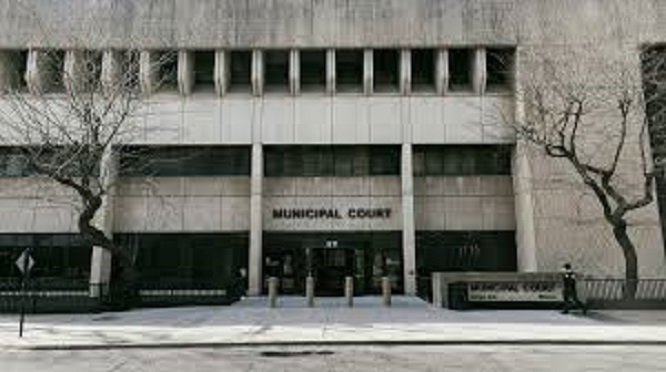
What Is a Housing Court Anyway?
Housing Court in Kansas City handles disputes between landlords and tenants. Simple as that. Most cases involve rent, eviction, or property damage. But here’s the thing—it’s not just paperwork and rules. It’s people. Real lives. Missed payments. Broken leases. Sometimes bad luck. And while it may feel intimidating, the process is more structured than scary once you understand it. That’s where groups like Kansas City Specialty Courts come in. They focus on fairness and support, not just punishment. That same mindset shapes how many housing cases are handled.
When Do You End Up in Housing Court?
You don’t just wake up and go. Something triggers it. Most common reasons:
- A landlord files for eviction
- Rent hasn’t been paid
- Lease terms were broken
- Property damage disputes
- Holdover cases (staying after lease ends)
Honestly, sometimes it’s avoidable. A quick talk can solve things. But when that fails, the court steps in.
The Process (Step-by-Step, No Confusion)
Let me walk you through it like you’re actually going through it.
1. Filing the Case
The landlord files a petition with the court. This starts everything.
2. You Get Served
A notice arrives—usually by a process server or sheriff. It tells you the court date. Don’t ignore it. Seriously. That’s where many people slip.
3. Court Date
You show up. The landlord shows up. The judge listens. It’s not like TV. No dramatic speeches. It’s quick, focused, and based on facts.
4. Your Chance to Speak
You can explain your side:
- Paid rent late but paid it
- Repairs weren’t done
- Miscommunication
Bring proof if you can. Receipts matter more than words.
5. Judge’s Decision
The judge may:
- Grant eviction
- Delay the case
- Dismiss it
- Order payment plans
Each case is different. No fixed script.
What Judges Actually Care About
You might think it’s all technical. It’s not. Judges look for:
- Clear evidence
- Honest effort
- Lease terms
- Communication history
You know what helps? Showing up prepared. Not perfect—just prepared. And yes, attitude matters. Respect goes a long way.
A Quick Reality Check (That Helps More Than You Think)
Housing Court isn’t designed to trap you. It’s designed to resolve a problem. Still, the system can feel cold. Papers. Deadlines. Rules. That’s why organizations like Beyond the Bench KC exist—to bring a human side into the legal process. They focus on root causes, like financial stress or instability, instead of just outcomes. That mindset is slowly shaping how courts think.
Tips That Can Make or Break Your Case
Not fancy advice. Just real stuff that works.
- Show up early
- Dress neat (nothing fancy needed)
- Bring documents—rent receipts, texts, emails
- Speak clearly and stick to facts
- Don’t interrupt the judge
- Ask questions if confused
And one more thing—don’t assume you’ll lose. Many people walk in defeat before they even speak.
Common Misunderstandings (Let’s Clear Them Up)
People often believe:
- “If I miss court, it’ll be rescheduled.”
→ Nope. It usually moves forward without you. - “I can just explain later.”
→ Court doesn’t wait around. - “The landlord always wins.”
→ Not true. Strong tenant cases do succeed.
It’s easy to assume the worst. But facts matter more than fear.
FAQs Regarding Housing Court in Kansas City
1.What happens if I don’t show up for court?
The judge may automatically decide against you if you fail to do so. We refer to this as a default decision. It frequently results in eviction. Attend regardless of how unprepared you feel.
2.After the case is filed, is it possible to halt an eviction?
Yes, occasionally. The procedure can be halted or stopped by paying past-due rent or coming to a deal with your landlord. Timing and the landlord’s judgment are key factors.
3.Does Housing Court require legal representation?
Not all the time. A lot of people speak for themselves. However, legal assistance can strengthen your case, particularly in complex cases. Local legal aid organizations might provide free or inexpensive assistance.
4.What is the duration of the eviction procedure?
It can proceed quickly—sometimes in a matter of weeks. For this reason, prompt intervention is crucial. You may have fewer possibilities if you wait even a few days.
5.As a renter, what should I provide in court?
Bring anything that will help you:
- Receipts for rent
- Lease contract
- Images or requests for repairs
- Communications with your landlord
Evidence is more powerful than recollection.
Concluding Remarks
Housing Court can be intimidating. That is typical. However, it’s not insurmountable. Learn the procedures. Arrive prepared. Be truthful when you speak. And keep in mind that systems are gradually changing. Fairness, not simply rulings, is becoming more and more important, thanks to initiatives associated with Kansas City Specialty Courts and organizations like Beyond the Bench KC. That is important. It does, in fact.
