

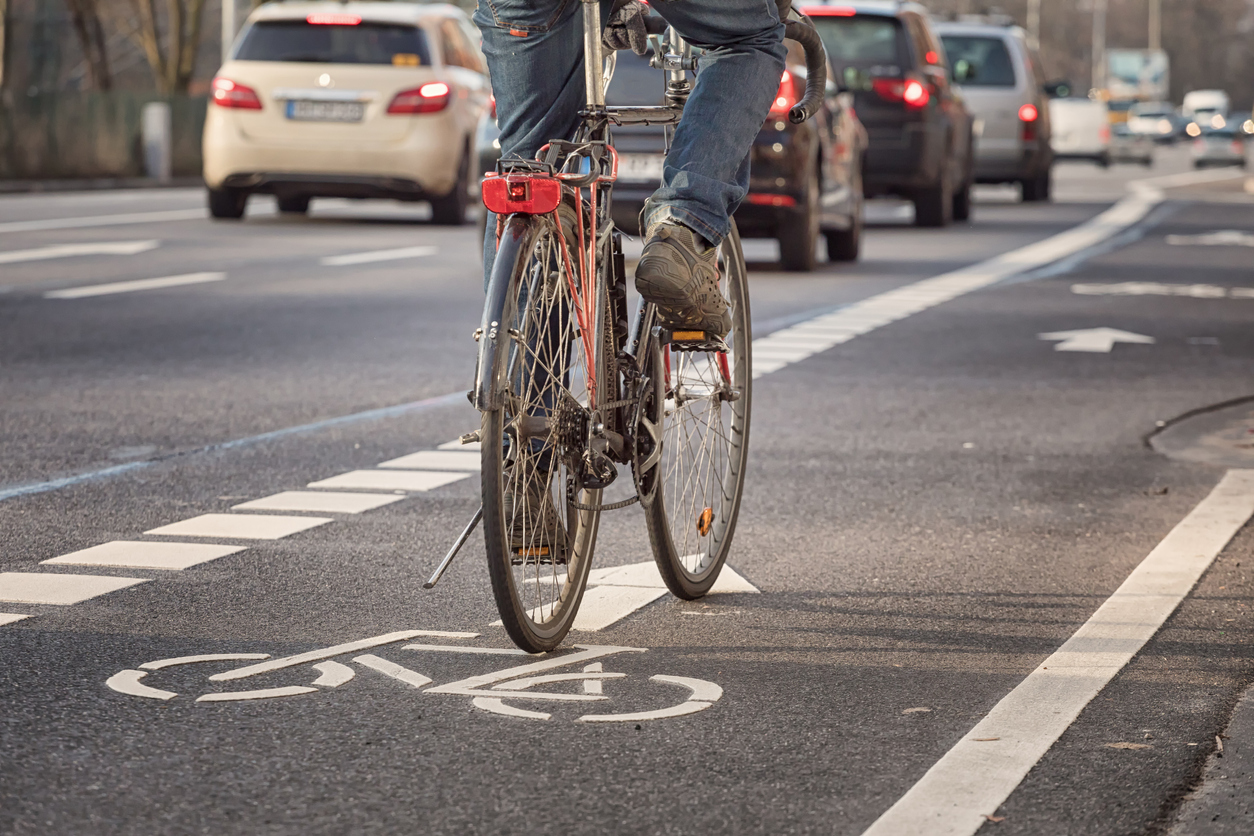
What if Arizona’s streets were designed for people first, not just cars? For decades, urban planning in the state prioritized vehicle speed and access over pedestrian safety and cyclist infrastructure, often leaving those without cars vulnerable or overlooked.
But, that mindset is changing. Rising concerns over traffic fatalities, environmental impacts, and livability are driving a shift toward streets that support walking, biking, and equitable access to public spaces. Across cities, new policies and infrastructure improvements are signaling a broader move toward safer, more inclusive communities.
The Problem with Car-Dominated Streets
For decades, Arizona’s cities were designed with one thing in mind: the car. Wide roads, fast-moving traffic, and expansive parking lots defined much of the state’s urban development. In many neighborhoods, sidewalks are narrow or nonexistent, bike lanes are inconsistent, and crossing a street can feel risky, even in residential areas.
The assumption was that everyone would drive, and little consideration was given to those who walk, cycle, or use mobility devices. The consequences have been serious. Arizona consistently ranks high in pedestrian and cyclist fatality rates.
Intersections often lack adequate crossing time, and road designs encourage speeds that make crashes more likely and more severe. For children, older adults, and those without access to a vehicle, getting around safely can be a daily challenge. These outcomes have sparked a deeper conversation about who streets are really for, and who’s being left behind.
Safety, Accessibility, and Equity
Improving street design isn’t just about mobility, it’s about fairness and safety. In many Arizona communities, particularly lower-income neighborhoods, the lack of sidewalks, crosswalks, bike lanes, and proper lighting creates serious risks for both pedestrians and cyclists.
These areas often experience the highest rates of injuries and fatalities among non-drivers, even though car ownership is lower. That imbalance is prompting cities to take a more equitable approach to infrastructure investments. Some Arizona bicycle attorneys are handling injury claims while also working with local governments and advocacy groups to push for safer street design and better protection for cyclists.
Cities are also prioritizing accessibility and safety for people with disabilities and those who rely on non-car transportation. This includes adding curb ramps, tactile surfaces, audible pedestrian signals, and dedicated bike lanes that offer real protection from traffic.
More attention is being paid to connecting homes with schools, clinics, parks, and stores in ways that are safe for walking and biking. By addressing the needs of all vulnerable road users, Arizona is taking steps toward a more inclusive and balanced transportation system.
Policy and Planning Shifts in Arizona
In recent years, several Arizona cities have started rethinking how streets are built and used. There’s growing recognition that roads should serve everyone, not just drivers. Updated transportation plans now include pedestrian and bicycle safety as core priorities, rather than afterthoughts.
This marks a significant shift from older approaches that focused mostly on vehicle throughput and speed.
City councils and regional planning bodies have begun revising zoning laws and street design guidelines to better support walkability and active transportation.
Sidewalk width minimums are being raised, bike infrastructure is being mapped more systematically, and public feedback is increasingly shaping infrastructure decisions. These efforts reflect a broader push for more livable, people-friendly communities across the state.
Infrastructure Projects Focused on Walkability and Cycling
Several Arizona cities have launched infrastructure projects aimed at making streets safer and more welcoming for pedestrians and cyclists. Shared-use paths, pedestrian crossings, and protected bike lanes are appearing in places where they didn’t exist before.
These upgrades are often designed to create better access to parks, schools, transit stops, and business districts. New street layouts also emphasize safety through design. Features like curb extensions, raised crosswalks, and buffered bike lanes help reduce speeds and improve visibility.
Some cities have even begun reconfiguring intersections to give pedestrians a head start at crosswalks or reduce turning conflicts. These changes not only improve safety but also make walking and biking feel more convenient and comfortable.
Community and Cultural Shifts
Infrastructure alone isn’t enough, culture matters too. Across Arizona, more residents are choosing to walk or bike for short trips, especially in denser neighborhoods and downtown areas.
As cities invest in better facilities, people are responding by making more trips without a car. This is especially true among younger adults and families looking for more active, sustainable lifestyles.
Grassroots support is also helping to drive change. Community groups are organizing events that temporarily close streets to cars, turning them into public spaces for walking, cycling, and gathering.
These initiatives not only raise awareness but also show people what’s possible when streets are reclaimed for people. Over time, these cultural shifts reinforce policy changes and make new habits stick.
Challenges That Remain
Despite growing progress, several hurdles still stand in the way of people-first street design. Funding is a major challenge. Many road improvement projects rely on limited local budgets or unpredictable grants, which can delay or scale down ambitious plans.
Political resistance is another issue, especially when car lanes are reduced or parking is removed to make room for bike lanes or wider sidewalks. There’s also a cultural resistance to overcome.
For decades, driving has been the default in Arizona, and not everyone is ready to give up the convenience of their car. In hotter months, walking and cycling are less appealing unless there’s adequate shade, rest spots, and access to water. These challenges mean cities need to think long-term and integrate solutions that address both behavior and climate realities.
What’s Next for Arizona
Arizona is beginning to look ahead to more connected, people-centered transportation networks. Plans are emerging to extend walking and biking paths, redesign major corridors with protected lanes, and improve lighting and shade in public spaces.
These improvements are increasingly being tied to broader goals like public health, climate resilience, and community development. Micromobility options, such as bike shares and small electric vehicles, are also part of the conversation.
As technology evolves, Arizona cities are exploring how these tools can fit into existing infrastructure while improving short-distance travel. With continued public engagement, policy support, and smart investment, Arizona has the opportunity to lead by example in shifting from car-first to people-first design, creating streets that are safer, healthier, and more welcoming for all.
Conclusion
Streets that prioritize people over cars aren’t just safer. They create healthier, more connected, and more resilient neighborhoods. Arizona’s recent investments in walkability, cycling infrastructure, and accessibility reflect a growing commitment to this vision.
While challenges remain, especially around funding and cultural norms, the progress is clear. By reimagining how public space is used, cities are laying the groundwork for a future where streets are shared, inclusive, and built for everyone, not just those behind the wheel.
