

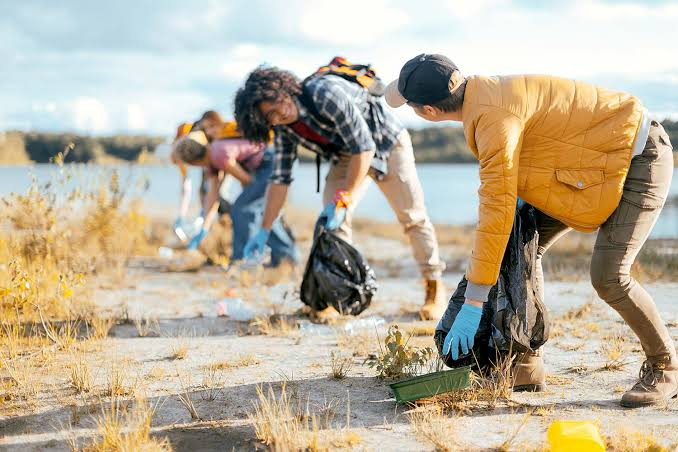
Environmental cleanliness is an important part of a healthy and comfortable life. A clean environment does not only make a place look beautiful, but also protects people from disease, pollution, and discomfort. Streets, homes, schools, workplaces, markets, rivers, and public spaces all need proper care. When an environment is clean, it shows that the people living there have awareness, responsibility, and concern for their surroundings. In this way, environmental cleanliness becomes a reflection of community awareness.
The Meaning of Environmental Cleanliness
Environmental cleanliness means keeping the surroundings free from garbage, dirt, bad smells, pollution, and harmful waste. It includes simple habits such as throwing trash in the right place, cleaning drains, reducing plastic use, planting trees, and maintaining public facilities. Cleanliness is not only the responsibility of the government or cleaning workers. It is the duty of every member of society.
A clean environment can be created when people work together. If each judi bola person takes small actions every day, the result can be very meaningful. For example, one person throwing trash properly may seem simple, but if everyone does the same, the whole community becomes cleaner and healthier.
Clean Environment and Public Health
One of the biggest benefits of environmental cleanliness is better public health. Dirty environments can become places where bacteria, viruses, insects, and pests grow. Garbage piles can attract flies, rats, and mosquitoes. Blocked drains can cause dirty water to collect and may increase the risk of disease.
A clean environment helps reduce these risks. Clean water, clean air, and proper waste management support a healthier life. People can breathe more comfortably, children can play more safely, and families can live with less worry about illness. This shows that environmental cleanliness is closely related to the quality of human life.
A Reflection of Community Responsibility
The condition of an environment often reflects the attitude of the people rtp slot hari ini who live there. If a neighborhood is clean, organized, and well maintained, it shows that the community cares. People are willing to protect their shared space and respect others. On the other hand, if public places are filled with trash, it may show a lack of discipline and awareness.
Community responsibility can begin with small actions. People can clean their own homes, avoid littering, join community clean-up activities, and remind others politely to care for the environment. These actions build a culture of cleanliness. When cleanliness becomes a habit, people will naturally feel uncomfortable seeing trash or dirty surroundings.
The Role of Education
Education plays an important role in building environmental awareness. Children should be taught from an early age to keep their environment clean. Schools can teach students to throw trash properly, recycle, save water, and care for plants. These lessons may seem simple, but they can shape behavior for the future.
Parents also have an important role at home. Children usually learn from what they see. If parents keep the house clean and care about the environment, children are more likely to follow the same habits. Environmental education should not only be taught through words, but also through daily examples.
Reducing Waste and Pollution
Modern life produces a lot of waste, especially plastic waste. Plastic bags, bottles, food packaging, and disposable items are often used only once and then thrown away. If this habit continues, the environment can become polluted. Rivers, oceans, soil, and air may be affected by poor waste management.
People can help reduce waste by bringing reusable bags, using refillable bottles, separating organic and non-organic waste, and recycling when possible. Reducing waste is one of the most practical ways to show care for the environment. It proves that community awareness is not only about cleaning, but also about preventing pollution before it happens.
Working Together for a Cleaner Environment
Environmental cleanliness cannot be achieved by one person alone. It requires cooperation from families, schools, communities, businesses, and local governments. Public trash bins, regular waste collection, clean drainage systems, and green spaces are important. However, these facilities will not work well if people do not use them responsibly.
Community clean-up programs can also strengthen social relationships. When people clean public areas together, they build unity and shared responsibility. A clean environment becomes a common goal that benefits everyone.
Environmental cleanliness is a clear reflection of community awareness. A clean place shows discipline, responsibility, and care from the people who live there. It supports public health, creates comfort, reduces pollution, and improves quality of life. Keeping the environment clean does not require big actions all the time. It can begin with simple habits such as throwing trash properly, reducing plastic use, cleaning the surroundings, and teaching children to care for nature. When every person takes responsibility, the environment becomes healthier, safer, and more beautiful for all.
